

Complete Ski Layering Guide
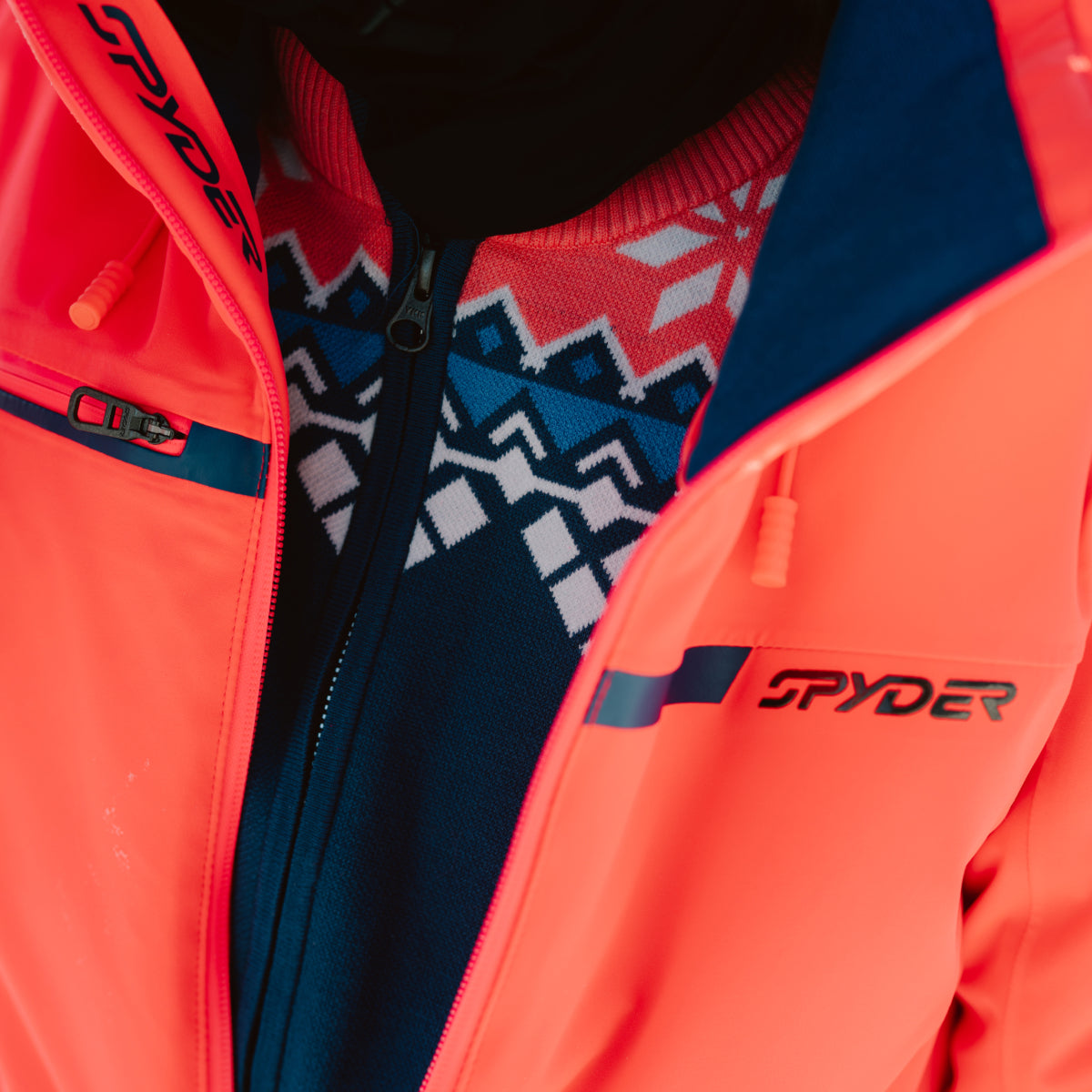
HOW TO LAYER FOR SKIING
NOTHING ENDS A SKI DAY FASTER THAN BEING TOO COLD, OR TOO SWEATY. THE FIX IS A PROPER SKI LAYERING SYSTEM: THREE LAYERS, EACH WITH A JOB, WORKING TOGETHER TO KEEP YOU WARM, DRY, AND COMFORTABLE AS CONDITIONS CHANGE.
WHY LAYERING FOR SKIING MATTERS
Skiing swings between extremes. You're working hard on a run one minute, then sitting still on a lift the next. A good layering system keeps pace, trapping heat when you're inactive, releasing it when you're not, and managing moisture the whole time.

BASE LAYER: THE BEST BASE LAYER FOR SKIING
This layer sits against your skin and wicks sweat away before it turns cold and clammy. Go with: moisture wicking synthetic fabrics. Skip: cotton, which holds moisture against your skin.
Fit should be snug, not tight. Choose weight based on the day: lightweight for mild conditions, midweight or heavyweight for cold-weather skiing. A long-sleeve top and thermal bottoms cover the basics.

SKI MIDLAYER GUIDE: FLEECE VS. DOWN VS. SYNTHETIC
Your midlayer traps body heat, so it should insulate well without restricting movement. A zip-front midlayer lets you vent on the fly. One solid midlayer is usually enough; too much bulk just gets in your way.
- Fleece — breathable and quick-drying
- Synthetic insulation — warm even when wet
- Down — best warmth-to-weight ratio, ideal for dry, cold climates

OUTER LAYER: SHELL VS. INSULATED SKI JACKET
Your outer layer, your ski jacket and waterproof ski pants, blocks wind, snow, and moisture.
- Shell jackets: waterproof, breathable, uninsulated. Best for high-output days.
- Insulated jackets and pants: warmth and weatherproofing built into one piece. Best for resort days and serious cold.
Look for waterproof and breathable fabric like Spyder's proprietary EXO Shield, taped seams, and vents like pit zips for heat regulation.

ACCESSORIES: SMALL DETAILS THAT MATTER
- Neck gaiter or balaclava for wind protection
- Glove liners for extra warmth
- One pair of merino or synthetic ski socks (never double up; it restricts circulation)
- Beanie or helmet liner as needed

THE BOTTOM LINE
Layering isn't about piling on clothes. It's about building a system: a base that manages moisture, a midlayer that traps heat, and an outer layer that shields you from the elements, all working together so you can adjust as your body and the mountain change throughout the day.
Read more
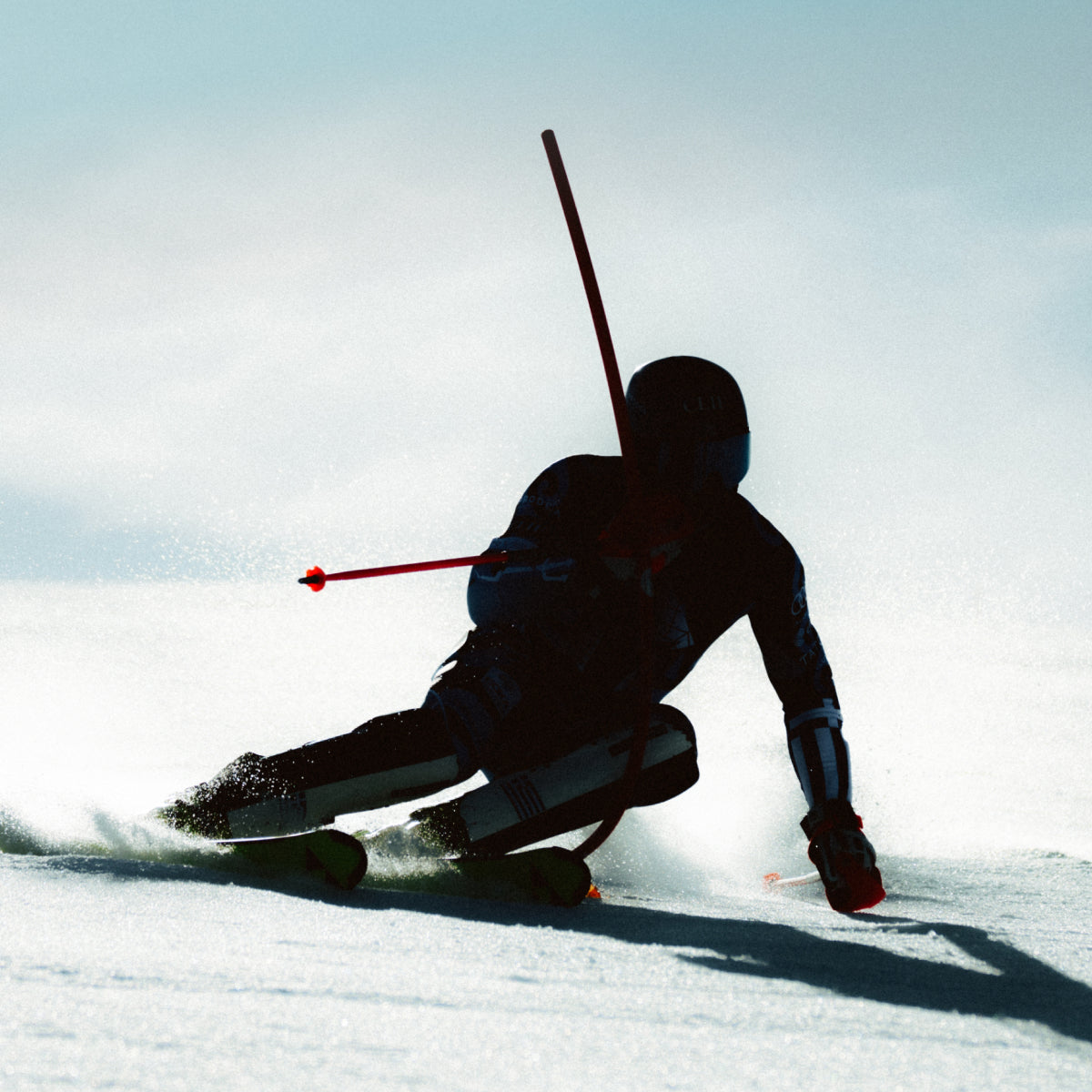
STAY RACE-READY EACH AND EVERY SEASON YOUR RACE SUIT IS ONE OF YOUR BIGGEST GEAR INVESTMENTS, AND HOW YOU TREAT IT BETWEEN RUNS DETERMINES HOW LONG IT HOLDS ITS EDGE. A LITTLE CARE GOES A LONG WAY ...
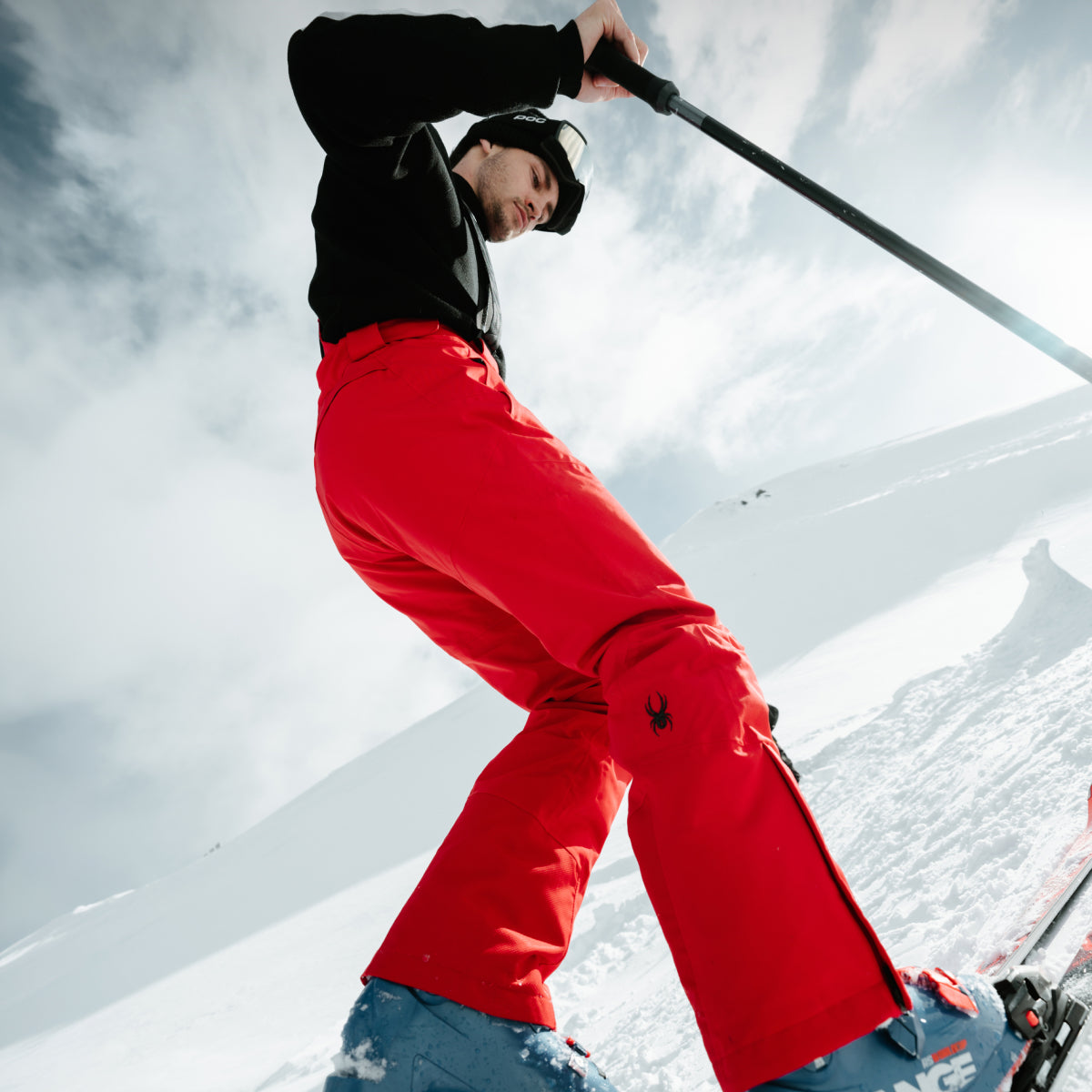
UNDERSTANDING PANT ARTICULATION SKI PANTS THAT FIT WELL WHILE STANDING STILL CAN FEEL COMPLETELY DIFFERENT ONCE YOU'RE CARVING TURNS, DROPPING INTO A MOGUL FIELD, OR RIDING A CHAIRLIFT WITH YOUR KN...